 Reviews


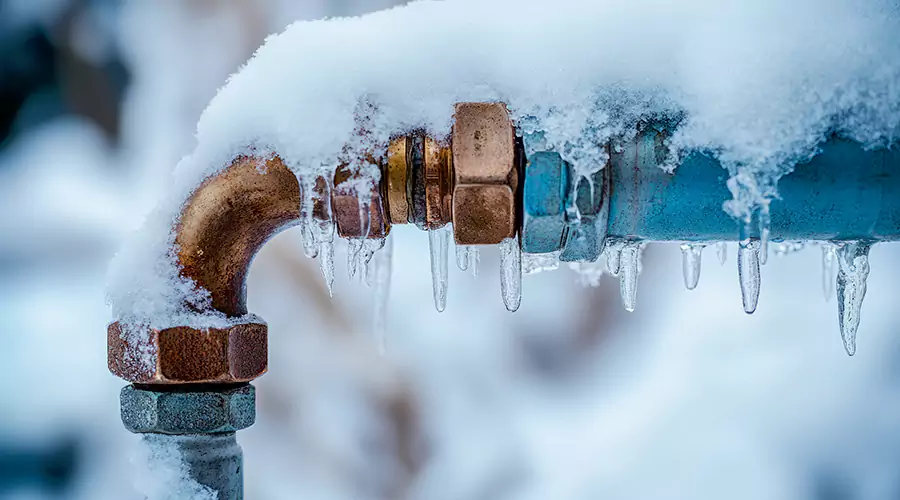
Frozen pipes are a homeowner's nightmare. When water freezes, it expands. That expansion creates pressure inside your pipes. The pressure has nowhere to go, so the pipe bursts. A single burst pipe can flood your home, causing thousands of dollars in damage. The worst part is that frozen pipes are almost always preventable. A few hours of preparation before winter arrives can save you from an emergency call to a plumber in the middle of a freezing night. This guide walks you through everything you need to do to winterize your plumbing.
Why Pipes Freeze?
Pipes freeze when the temperature around them drops below 32 degrees Fahrenheit. But freezing does not happen instantly. It takes sustained cold temperatures, usually 20 degrees or lower for several hours, to freeze water inside a pipe. Pipes in unheated areas are most at risk.
Highest risk locations:
- Basements and crawl spaces without insulation
- Attics and garages
- Exterior walls with poor insulation
- Under kitchen and bathroom sinks on outside walls
- Outdoor hose bibs and irrigation systems
Step 1: Insulate Exposed Pipes
The first line of defense is insulation. Any pipe that runs through an unheated space needs protection. This includes pipes in basements, crawl spaces, attics, and garages.
What to use:
- Foam pipe insulation is the most common option. It comes in tubes that split down the middle. You slip the tube over the pipe and secure it with tape.
- Fiberglass pipe wrap is another option for very cold climates.
- Heat tape or heat cable is a more aggressive solution. These products plug into an outlet and provide direct heat to the pipe. Use them only on pipes that have frozen in the past.
Where to focus:
- All pipes within 6 feet of exterior walls
- Pipes running through uninsulated crawl spaces
- Water supply lines to exterior faucets
- Pipes near foundation vents or drafty areas
Step 2: Disconnect and Drain Outdoor Hoses
A garden hose left attached to an outdoor faucet is a frozen pipe waiting to happen. Water gets trapped in the hose and freezes. The ice travels back into the faucet and into the pipe inside your wall. The pipe bursts inside your home where you cannot see it until water starts pouring out.
What to do:
- Disconnect every garden hose from every outdoor faucet.
- Drain the hoses completely and store them in a garage or shed.
- If you have a frost free hose bib, it still needs the hose removed. Frost free bibs are designed to drain water back into the warm interior when the hose is off. A connected hose prevents that draining action.
Step 3: Shut Off and Drain Outdoor Faucets
After disconnecting hoses, take the extra step of shutting off the water supply to outdoor faucets. Most homes have individual shutoff valves for exterior bibs. These are usually located in the basement, crawl space, or near the water meter.
How to winterize outdoor faucets:
- Locate the shutoff valve for each outdoor faucet.
- Close the valve completely.
- Go outside and open the faucet fully.
- Let any remaining water drain out.
- Leave the faucet open so any trapped water has room to expand if it freezes.
For homes without individual shutoff valves, install faucet covers. These are foam or plastic domes that slip over the outdoor faucet. They provide some insulation against cold air. They are not as effective as shutting off the water, but they are better than nothing.
Step 4: Seal Drafts and Air Leaks
Cold air finds its way into your home through small cracks and gaps. That cold air can freeze pipes inside wall cavities or under cabinets. Sealing drafts is an easy and inexpensive winterization step.
Where to look for drafts:
- Gaps around pipes entering the house through foundation walls
- Cracks around dryer vents and exhaust fans
- Spaces around outdoor hose bibs
- Gaps under garage doors that share a wall with living spaces
What to use:
- Spray foam insulation fills larger gaps around pipes.
- Caulk seals smaller cracks.
- Weatherstripping seals gaps under doors.
Step 5: Open Cabinet Doors During Cold Snaps
Pipes under kitchen and bathroom sinks are often located against exterior walls. These areas do not get good air circulation. When the temperature drops outside, the space under your sink can get very cold.
What to do when temperatures fall below freezing:
- Open all cabinet doors under sinks.
- This allows warm air from your home to circulate around the pipes.
- Do this for every sink on an exterior wall, including kitchen sinks, bathroom vanities, and utility sinks.
- Keep the cabinet doors open overnight and anytime temperatures drop below 20 degrees.
Step 6: Let Faucets Drip During Extreme Cold
Running water does not freeze easily. Moving water has a harder time forming ice crystals. Letting a faucet drip during extreme cold is a simple and effective prevention method.
How to do it correctly:
- Choose a faucet that is on an exterior wall and far from your main water shutoff.
- Turn the faucet on to a slow drip. One drip per second is enough.
- For extra protection, let both the hot and cold water drip.
- The dripping water relieves pressure in the pipes, which prevents bursting even if ice does form.
Which faucet to drip:
- If you have a single faucet that is most prone to freezing, drip that one.
- If you are unsure, drip one faucet on each level of your home.
Step 7: Set Your Thermostat Consistently
Many homeowners turn down the heat at night or when they leave for work to save money. During winter, this practice can freeze your pipes. Never set your thermostat below 55 degrees Fahrenheit when you are away.
Recommended settings:
- Home and awake: 68 to 70 degrees
- Home and asleep: 60 to 65 degrees
- Away for the day: 55 to 60 degrees
- Away for multiple days: 55 degrees minimum
If you go on vacation during winter, do not turn off the heat. Set it to 55 degrees and leave cabinet doors open. Ask a neighbor to check on your home daily.
Step 8: Locate Your Main Water Shutoff Valve
Even with all this preparation, a pipe could still freeze and burst. Knowing where your main water shutoff valve is located can save your home. Every family member who is old enough should know how to turn it off.
Where to find it:
- In a basement near the front wall
- In a crawl space under the house
- In a garage on an interior wall
- Near the water heater
- Outside near the street in a covered box
Label the valve with a bright tag. Practice turning it off so you know it works. If the valve is stuck, call a plumber to replace it before an emergency happens.
What to Do If a Pipe Freezes?
If you turn on a faucet and only a trickle comes out, suspect a frozen pipe. Act quickly.
Steps to take:
- Keep the faucet open. As the ice melts, water needs somewhere to flow.
- Locate the frozen section. Look for frost or a slight bulge in the pipe.
- Apply heat to the frozen section. Use a hair dryer, a heat lamp, or space heater. Never use an open flame like a blowtorch.
- Apply heat until full water pressure returns.
- Check for leaks. The pipe may have cracked when it froze.
If you cannot find the frozen pipe or if water starts leaking, shut off the main water valve and call a plumber immediately.
Final Thoughts
Winterizing your plumbing takes a few hours but saves you from a disaster. Insulate exposed pipes. Disconnect and drain outdoor hoses. Shut off outdoor faucets. Seal drafts. Open cabinet doors during cold snaps. Let faucets drip in extreme cold. Keep your thermostat above 55 degrees. Know where your main shutoff valve is located. These steps are simple, cheap, and effective. A frozen pipe can cause 5,000 to 20,000 dollars in water damage. The 20 dollars you spend on foam pipe insulation and faucet covers is the best insurance you will ever buy. Prepare your plumbing before winter arrives and enjoy the cold season without worry.